Product Overview
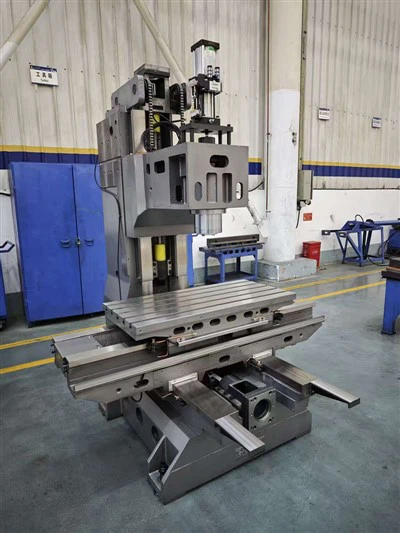
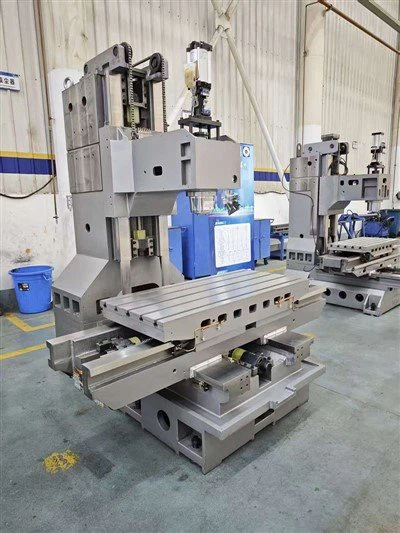
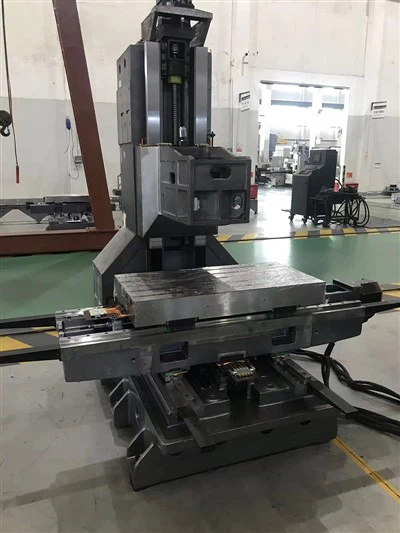
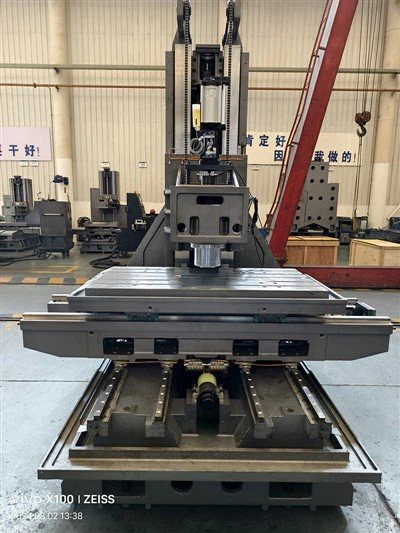
A Double Column Machining Center Frame is the primary structural assembly used in double-column and gantry-type CNC machining centers. It provides the supporting structure for major machine-tool components and establishes the geometric relationship between the worktable, columns, crossbeam, guideways, and other moving assemblies.
The frame configuration depends on the machine architecture. It may include a machine bed, two vertical columns, a crossbeam, and related structural sections or mounting interfaces.
For equipment manufacturers, the frame is manufactured from approved customer drawings, 3D models, or structural specifications. Key manufacturing requirements include material selection, casting or fabrication method, stress relief, large-format precision machining, datum control, and dimensional inspection.
The finished component is supplied as a machined structural assembly backed by strict quality control standards.
-
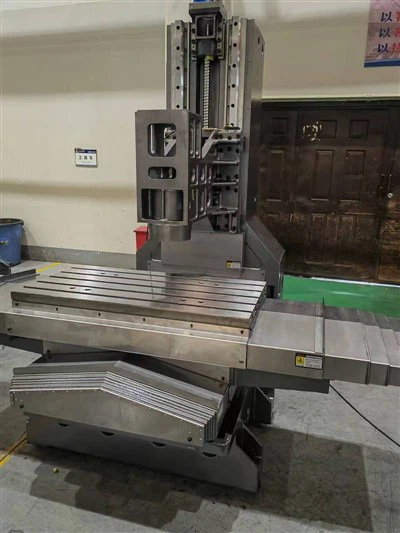
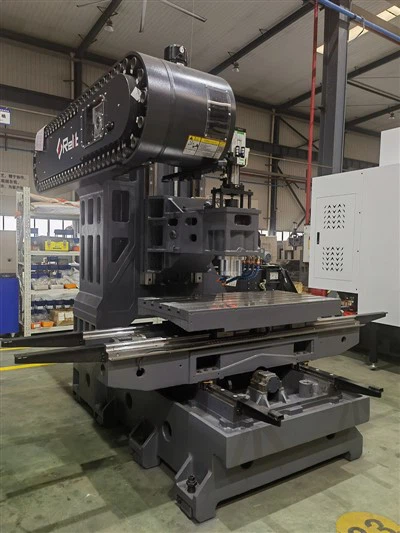
![Double Column Bridge Machine Frame]() Double Column Bridge Machine FrameFeaturing a fixed gantry structure (dual columns + fixed crossbeam), the machine ensures exceptional geometric stability. The spindle system (Y/Z axes) remains stationary relative to the foundation,
-
![Double Column Gantry Machine Frame]() Double Column Gantry Machine FrameThis type of gantry machine (with a fixed worktable) is available in two custom configurations: column-moving type and crossbeam-moving type, both designed for specialized large-scale machining.


A double-column machining center frame typically consists of several structural elements that work together to maintain the machine's geometric stability under heavy operating loads.
Main Structural Elements
Machine Bed: Provides the foundation for the machine structure and defines the mounting relationship between the main structural components and the working area.
Left and Right Columns: The two columns support the crossbeam and contribute to the overall rigidity of the machine structure. Their relative position and perpendicularity are crucial for guideway and moving-axis alignment.
Crossbeam
Connects the two columns and supports the relevant moving assembly, depending on the machine design. Its interfaces require controlled machining of mounting and guideway surfaces.
Guideway and Mounting Interfaces
Machined surfaces are provided according to the machine design for linear guideways, box ways, drive components, covers, or other assemblies.
Assembly Interfaces
Bolt holes, locating features, mounting pads, reference surfaces, and other interfaces are machined precisely according to approved engineering drawings or 3D models.
Key Features
Large Structural Capabilities
Designed for large CNC machine structures where long-term dimensional stability and structural rigidity are vital.
Drawing-Based Manufacturing
Critical dimensions, interfaces, mounting positions, and machining tolerances are strictly controlled according to approved engineering drawings and CAD/CAM data.
Controlled Machining Datums
Advanced machining sequences establish stable reference datums before processing critical mounting and guideway surfaces, significantly minimizing accumulated dimensional errors.
Stress-Relieved Structure
Incorporates thermal stress-relief (annealing) or vibration stress relief treatments to eliminate residual stress generated during casting or welding.
Precision Machining of Functional Surfaces
Processed using advanced heavy-duty floor boring and milling equipment to ensure high surface finish and strict geometric tolerances.
Customizable Configuration
Fully tailored around your unique machine architecture, avoiding the limitations of fixed standard frames.
The material and construction method are selected according to the machine size, structural load requirements, component geometry, and engineering specification.
Cast Iron Construction
Cast iron is commonly preferred for machine-tool structural components due to its exceptional damping behavior and rigidity under heavy loads. The specific material grade is strictly confirmed per the engineering drawing.
Fabricated Steel Construction
For designs using welded or fabricated structures, heavy-duty steel sections and plates are assembled into a robust frame configuration, followed by thorough stress relief and precision machining.

Technical Specifications
|
Parameter |
Specification |
|
Product Type |
Double-column / gantry machining center structural frame |
|
Manufacturing Method |
High-rigidity casting or fabricated welded construction |
|
Material |
Engineering-approved material grade |
|
Overall Dimensions |
Customized according to approved 2D/3D drawings |
|
Maximum Component Weight |
Supported by heavy-duty manufacturing and handling capacity |
|
Guideway Interfaces |
Tailored to machine design (Linear guide / Box way interfaces) |
|
Machined Surfaces |
Guideway, mounting, locating and assembly surfaces |
|
Dimensional Tolerances |
Built to customer drawing specifications |
|
Flatness / Parallelism |
Controlled to high-precision functional surface requirements |
|
Perpendicularity & Squareness |
Ensured for accurate machine assembly and axis alignment |
|
Stress Relief |
Thermal annealing / vibration stress relief (as specified) |
|
Quality & Inspection |
Dimensional and geometric inspection via precision measuring tools |
|
Surface Treatment |
Shot blasting, anti-rust priming, or custom-specific painting |
|
Packaging |
Heavy-duty wooden crating suitable for international logistics |
Applications
Double Column Machining Centers
Forms the rigid foundation of machines utilizing two vertical columns and a crossbeam.
Gantry Machining Centers
Provides high-stability supporting interfaces for large gantry-type moving systems.
Heavy-Duty CNC Machine Tools
Engineered to absorb substantial workpiece loads and intense cutting forces.
Custom CNC Equipment
Tailored structural frames for specialized or oversized machining requirements.

Quality control for large machine-tool frames begins long before machining. Every step follows a strict workflow:
Engineering Review -> Material Confirmation -> Casting / Fabrication -> Stress Relief -> Rough Machining -> Dimensional Stabilization -> Precision Machining -> Dimensional Inspection -> Final QC & Protection -> Custom Packaging
Core Quality Control Focus:
Datum Management: Establishing stable reference datums to prevent machining deformation.
Geometric Accuracy Inspection: Using high-end measuring tools to verify flatness, parallelism, perpendicularity, and center-to-center hole distances.
Traceability: Material certificates, heat treatment reports, and inspection sheets are provided with shipment per the quality assurance plan.
FAQ
As one of the most professional double column machining center frame manufacturers and suppliers in China, we also support customized service. Please rest assured to buy bulk double column machining center frame made in China here from our factory. Contact us for more details.