Choosing the Right Chip Conveyor
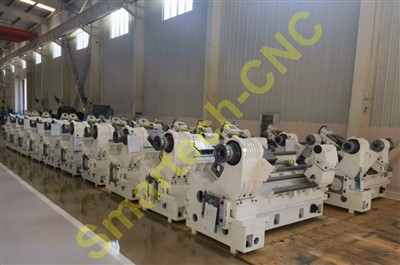
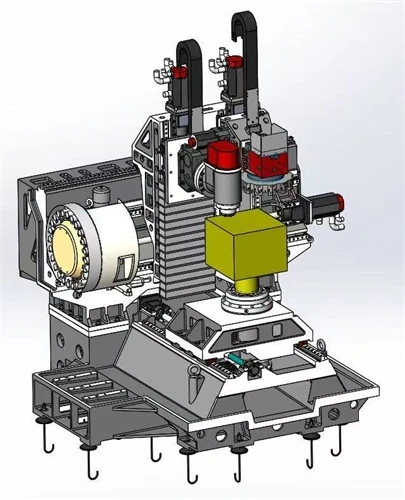
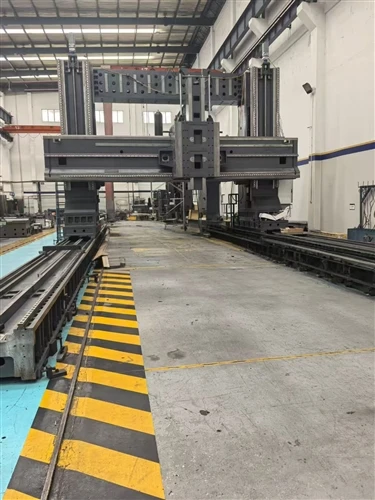
Sometimes customers of Smartech-CNC need to order sheet‑metal guardings and chip conveyors together with the machine Frame.

Here are recommendations for selecting chip conveyors. A chip conveyor collects the cutting chips at the machine and moves them to a chip trolley - but selecting the right conveyor is not always straightforward.
There are many variables to consider when adding a chip conveyor to a new machine tool or retrofitting an existing operation. With the advent of multi-tasking machines that produce several kinds and sizes of chips, the decision has become even more complex.
Several types of chip conveyors are available, and each has unique characteristics that must be matched to your specific requirements.
1. Three Questions to Ask Before You Choose
Before comparing conveyor types, answer these three basic questions. They will quickly narrow down the list of suitable options.
Will the chip conveyor be moving mixed materials, or will it be dedicated to one specific type of material (brass, plastic, cast iron, etc.)?
What is the size and configuration of the material? Fine chips? Coarse or stringy? Mixed?
What are the specifications and requirements of the machine tool the chip conveyor will serve?
2. Types of Chip Conveyors & Their Applications
2.1 Hinge Belt Chip Conveyors
More hinge belt systems are in operation than any other kind - and for good reason. They are versatile, affordable and reliable when used in the proper applications. These include coarse and stringy ferrous, aluminum or mixed materials, as well as operations dedicated to plastic that produces no fine chips. In most cases, turning machines are good candidates for hinge belt systems.
They are not the best choice for multi-tasking machines or other operations that produce fine chips, whether in dedicated or mixed applications. This is because hinge belt systems do not filter coolant to remove the fine particles that contaminate the fluid and can clog the conveyor, coolant lines and pumps. Using hinge belt conveyors in these applications leads to interrupted workflow and excessive maintenance.

Figure 1 Hinge belt chip conveyor - ideal for coarse and stringy chips
2.2 Magnetic Chip Conveyors
As you might guess, magnetic conveyors are designed for operations dedicated to broken ferrous materials. Cast iron machining normally produces broken ferrous chips, so this process is an excellent candidate for magnetic chip conveying. However, stringy ferrous material longer than the magnet spacing is not a good application, as these long strings will short out the magnets.
Because they magnetically attract all sizes and shapes of ferrous cuttings, these conveyors trap the iron material and allow the cutting fluid to flow out of the baffle pool below the conveyor track, leaving the metal behind. Obviously, using a magnetic chip conveyor with nonferrous materials defeats its purpose - the chips remain in the coolant, and the fluid lines, pumps and coolant tank clog and malfunction.

Figure 2. Magnetic chip conveyor - designed for broken ferrous chips
2.3 Filtering Chip Conveyors
Chip conveyors that also filter and recycle coolant back to the machine tool come in a variety of configurations. These include systems using replaceable filter media, permanent self-cleaning filtering drums made from stainless steel or other materials, and scraper systems that use perforated box filters.
Again, it is critical to match the filtering chip conveyor to the application. Some designs are efficient only with fine chips, while other filtering systems can handle fine, coarse or stringy materials equally well. Certain materials, such as plastics or cast iron, present special challenges to filtration systems, and these must be addressed during the selection process.

Figure 3. Filtering chip conveyor - conveys chips and recycles clean coolant
2.4 Auger (Screw) Chip Conveyors
Auger, or screw, chip conveyors use a rotating helical screw inside a trough or tube to move chips along. They are compact and space-saving, which makes them an excellent fit for smaller machine tools or installations where floor space is tight. The enclosed design also helps contain the coolant and keeps chips from scattering around the machine.
Auger conveyors are best suited to fine, granular, short and powder-like chips - the kind produced by fine turning, drilling, tapping and grinding operations. They can run horizontally or at a moderate incline and are frequently used as a transfer stage between the machine and a larger conveyor or chip trolley. They are not recommended for long, stringy chips, which can wrap around the screw and jam the conveyor.

Figure 4. Auger chip conveyor system - a compact, space-saving solution for fine and granular chips
Smartech-cnc provide the standard or tailor-made guarding for all kinds of machining frames.Imported precise laser cuting machines, robot welding facility as well as automatic powdercoating painting production lines, all these facilities ensure our top class guarding service to ourframe additional supplying to our clients.